What is a Hollow Block?
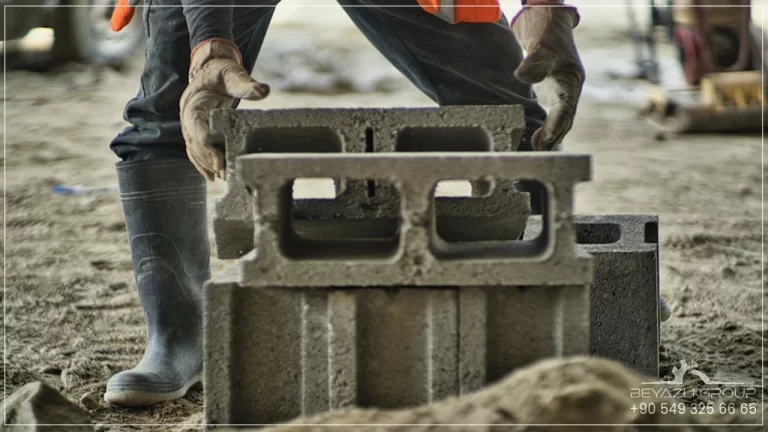
A hollow block is a type of concrete block that is used in the construction industry to build walls. Hollow blocks are made in different shapes and sizes for different purposes. Hollow blocks are produced almost in every country and of course with different raw materials that are locally available. In different countries they call it by different names like cavity blocks, hollow masonry blocks, hollow concrete blocks, or even hollow bricks.
Hollow blocks are made of aggregate, water, and cement. Depending on the project details and special needs additives are sometimes added to the mixture as well.
Hollow Block Types: Bottom Open Bottom close
Bottom Open Hollow Blocks
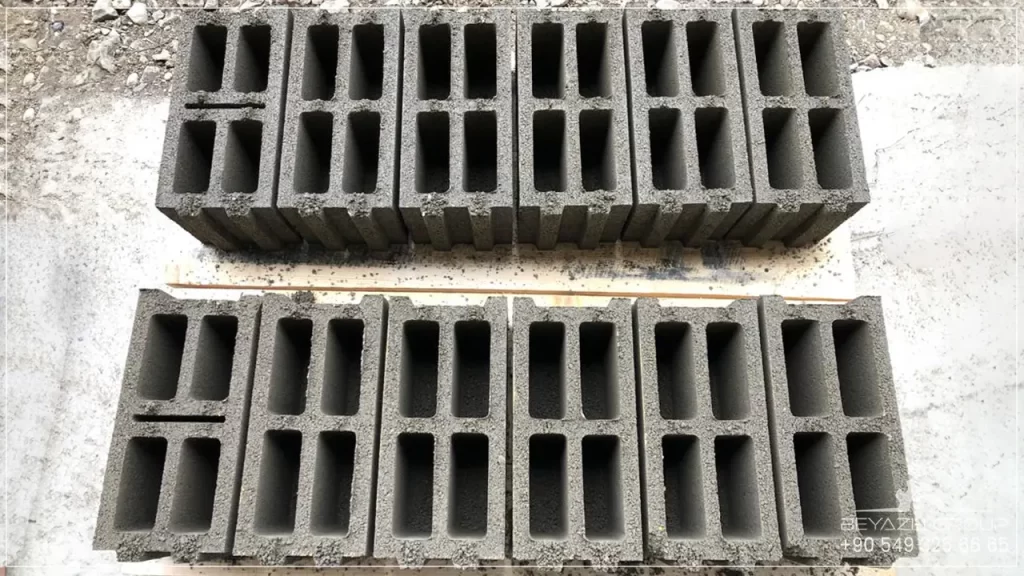
The bottom open type is used in areas where they want to build a wall first and then pour concrete inside the wall to make it a solid wall. There will be reinforcement bars inside the wall as well.
These blocks are mostly preferred in areas where there are not many high-rise buildings. Also, they are used on the first floor especially to build solid walls to increase the security of the buildings. You can create a one-piece wall that is very hard to destroy.
Bottom Close Hollow Blocks
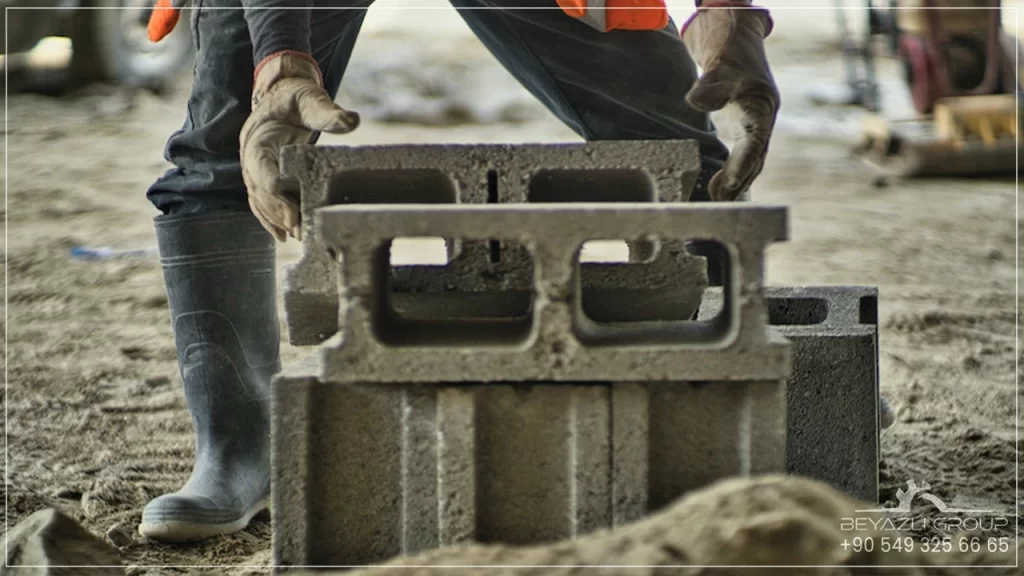
Bottom closed hollow blocks are used upside down. The closed side gives the surface needed to pour mortar on so you can put the next layer on it. This is to prevent extra mortar from pouring into the holes and wasted.
This type of block is used in high-rise buildings and it reduces the total weight of the building.
Hollow Block Advantages In Construction
Hollow block is widely used these days due to the advantages that it has over conventional bricks.
- Lightweight:
Hollow blocks are lighter in weight and result in reducing the dead load in buildings. These makes hollow blocks an excellent choice for high-rise buildings. - Very durable:
The hollow blocks are produced with hollow block machines with high pressure and strong vibration. The material is pressed very well and the final block is very durable. - Almost no need for maintenance:
Hollow blocks don’t need any special maintenance and are very cost-effective in the long term. - Better isolation:
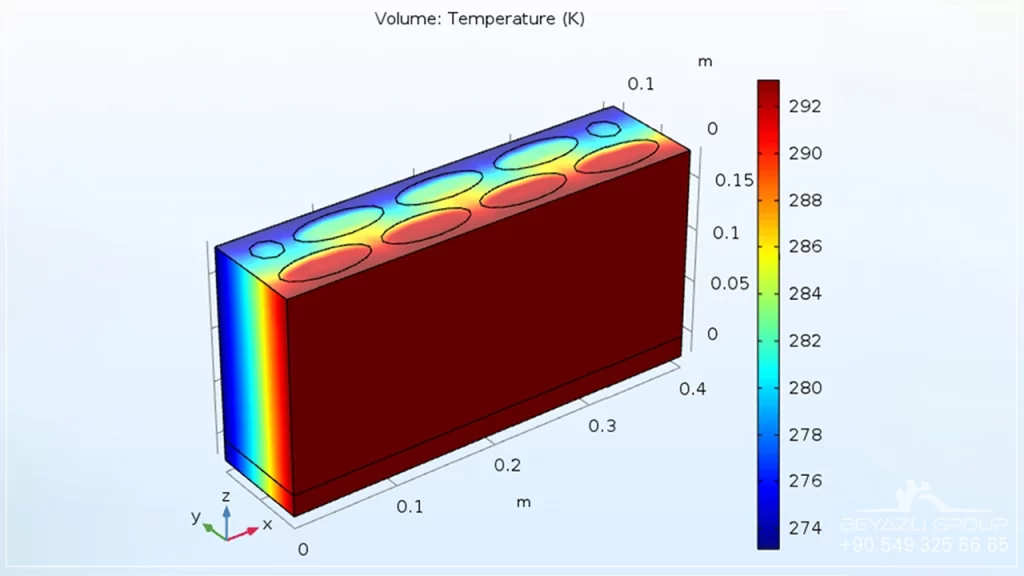
The walls made of hollow blocks provide better isolation. the air gaps between the hollow block walls provide better thermal isolation and sound isolation compared to conventional walls.
- Cost-effectiveness:
the hollow blocks are mostly made in 40cm or 50cm length (French standard). This is larger than other types and it is to reduce construction time and labor cost.
the other advantage is that the height of the hollow block is 20cm. This means you will have fewer layers compared to other methods. Fewer layers mean shorter construction time and less amount of mortar used between the layers.here is an example: you want to make a wall with a length of 2 meters. If you are using hollow blocks you will use 5 blocks in each layer. But if you use bricks, you will need 10 bricks.
Let’s say the height of the wall is 240cm. With hollow blocks, you will have 12 layers but with clay bricks, you will have 24 layers.
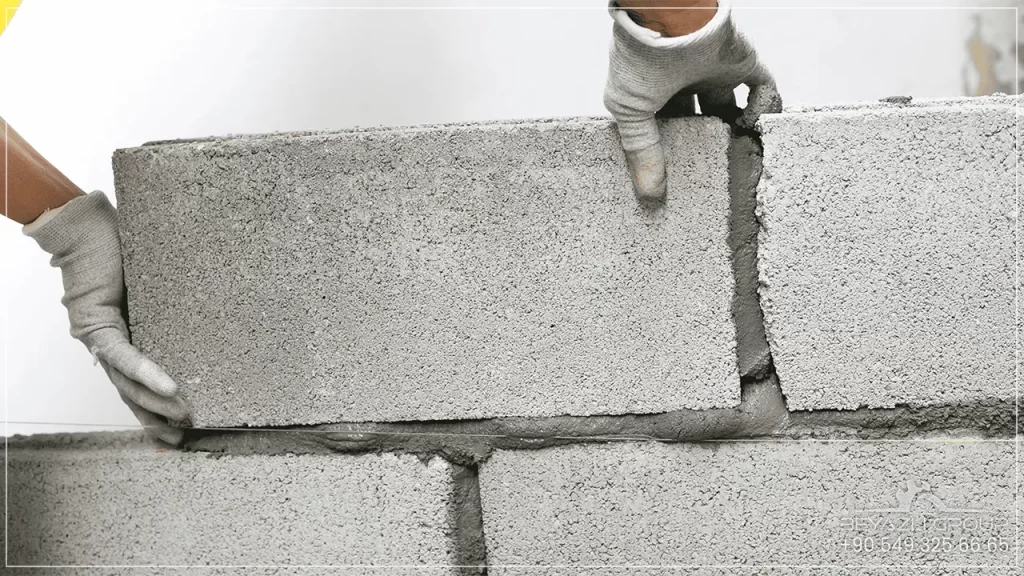
- Environmental benefits:
There is no heating in the process of making hollow blocks. So, there is no need for a kiln and a huge amount of energy used for heating. Recycled materials can be used in the production process as well making the hollow blocks environmentally friendly. - Different shapes
Hollow blocks are produced in different shapes and sizes making them suitable for different purposes.
For example, on the outer walls of the building, the 20cm width blocks are mostly used. For the kitchen area, 15cm blocks are preferred. For diving the inner area and creating the rooms 10cm blocks are chosen to save up in the space as much as possible.
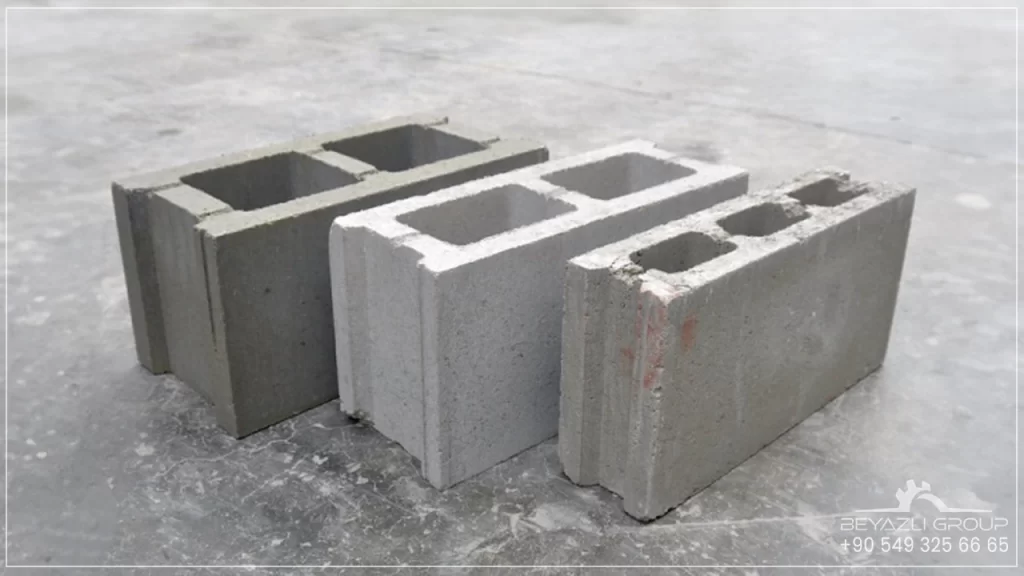
- Fire resistance:
Hollow blocks are fire-resistant and can withstand high temperatures as well. When the building is on fire the chance of the building collapsing is very low.
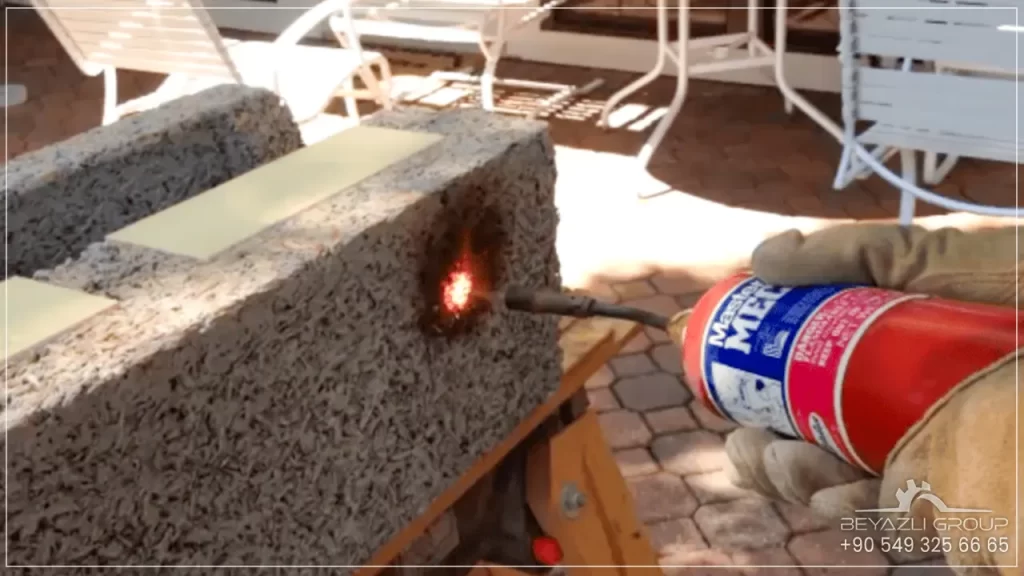
How To Produce Hollow Blocks
There are a few steps to produce hollow blocks. The steps are:
- Preparing aggregate
- Mixing
- Molding
- Demolding
- Curing
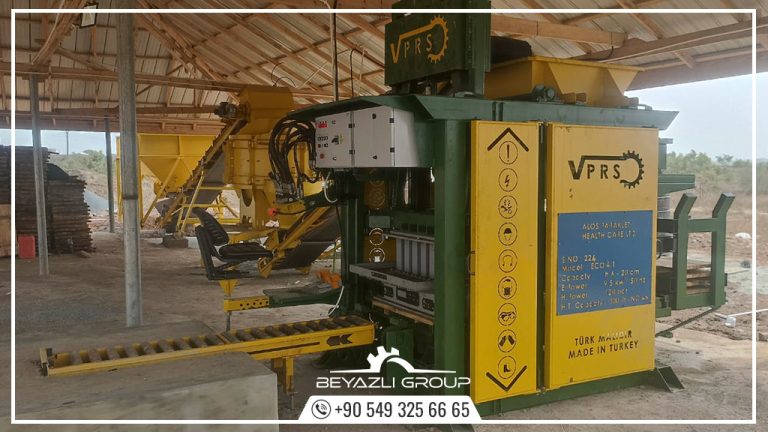
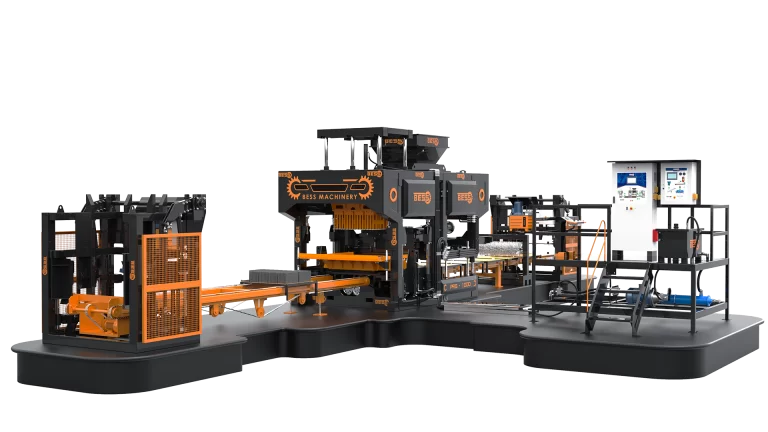
In the commercial scale this is done mostly by the machines. Here is a video showing the whole process. Each step is explained after the video to have a better understanding.
As explained before each area has its special aggregate and it’s different even from city to city. We will be covering the most famous aggregate types used in hollow block production lines.
Please note that all the mentioned materials need to be in the standard size of 0-6mm so they can be used to produce hollow blocks.
Sand (fine aggregate):
This is the most common aggregate used in the machines. There are 2 types of sands available.
Natural sand: the natural sand found in riverbeds and seabeds. Its job it to fill the voids between larger aggregates.
Manufactured sand: it is produced by crushing and screening plants. In places where natural sand is scares this type of sand is used.
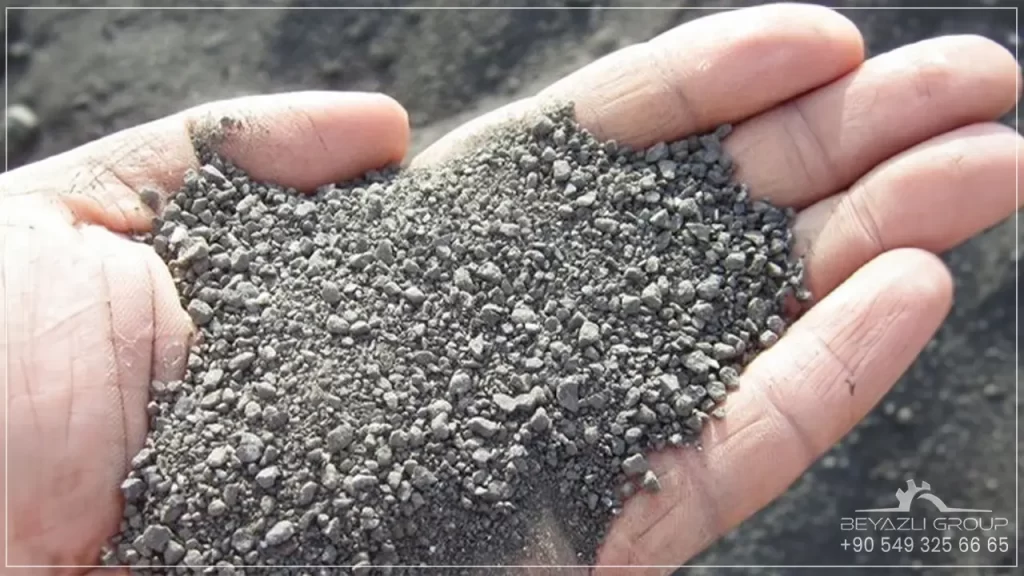
Gravel (coarse aggregate):
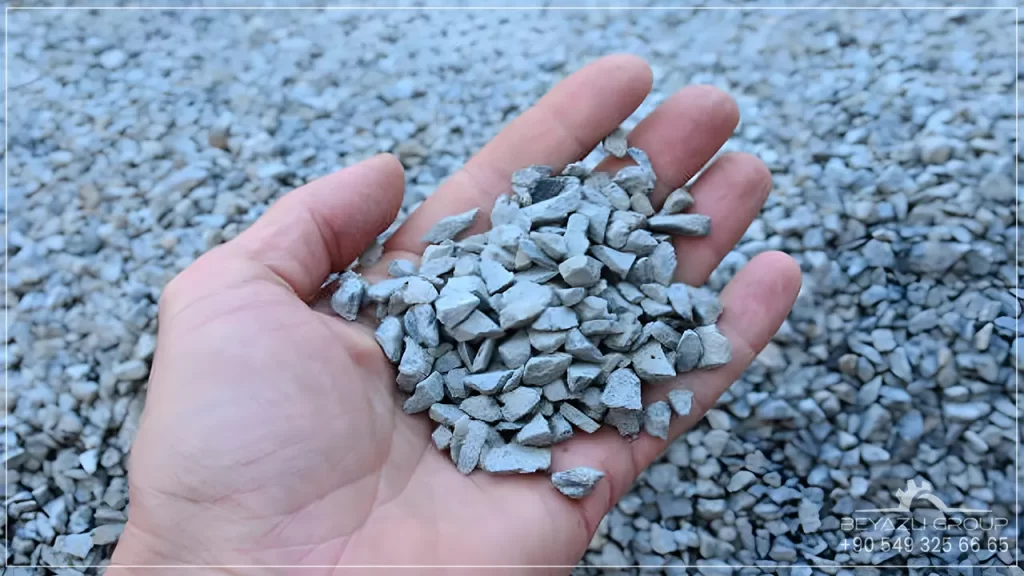
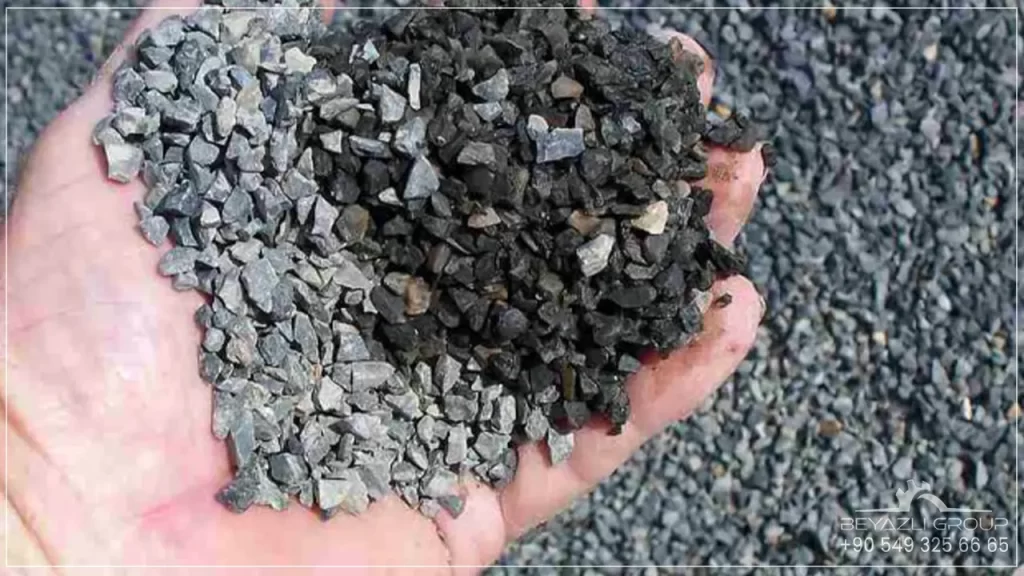
Gravel consists of rock fragments that are created naturally or crushed in crushing and screening plants. The rock types are usually granite, basalt, or limestone. The crushed gravel shows better performance because of the sharp edges. Sharp edges have better locking system when mixed with smaller materials.
You can also reduce the amount of cement used in the mortar when using this type of gravel.
Pumice:
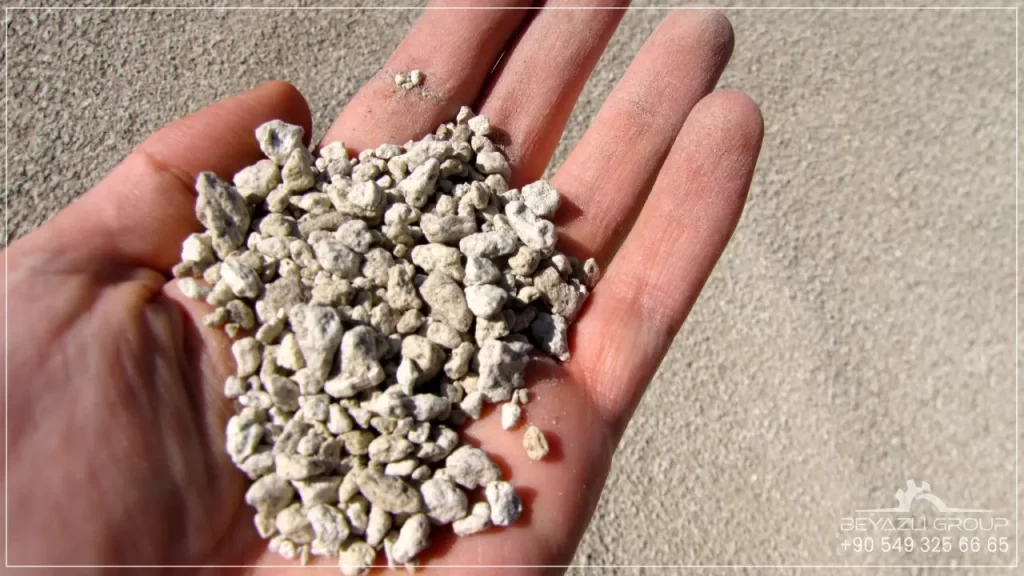
pumice is a type of volcanic rock that is formed during explosive volcanic eruptions. Pumice has a lot of air-filled cavities inside and it is lighter than other common materials.
the density of this material is usually 500 to 900 kg/m³. the total weight of a hollow block that is produced normally is around 18kg while it is 11kg when produced by pumice. Pumice also increases the insulation properties of the blocks reducing heating and cooling costs.
Perlite or vermiculite:
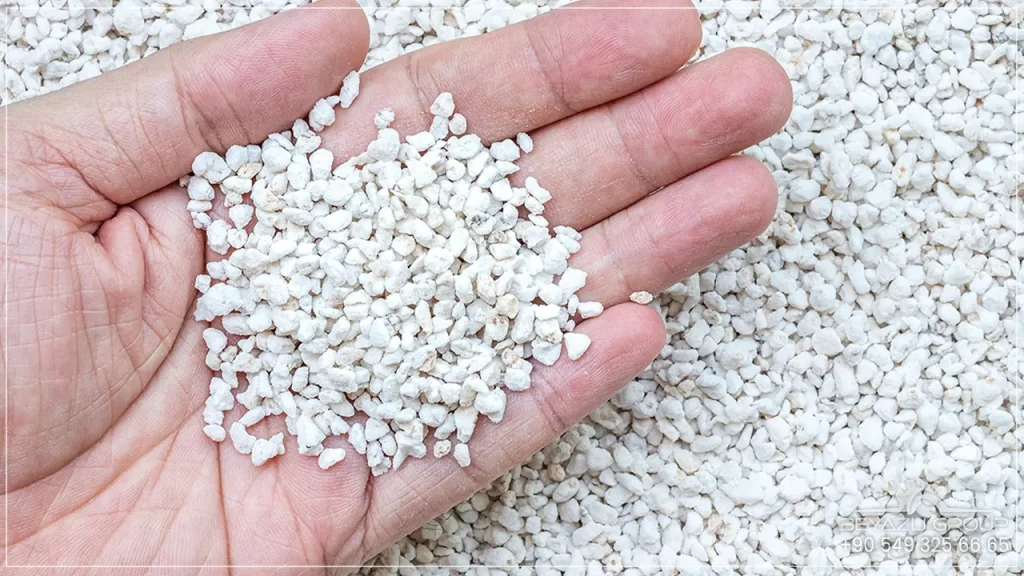
perlite is another lightweight material used for hollow block production. the perlite is heated to a certain temperature to make it expand before using them. The expansion process of perlite causes it to become porous and very light weight.
the density of perlite is 30 to 150 kg/m³ after expansion. perlite is non-toxic, fire resistant, high thermal resistant, environmentally friendly, and has very low water absorption.
Flyash:
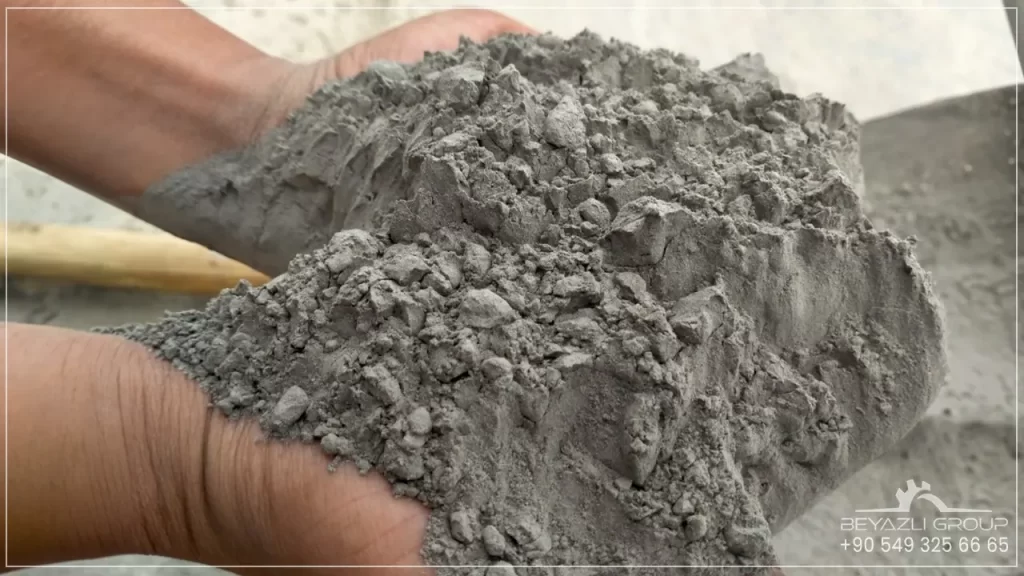
Fly ash is a powder that remains after burning coal in electric plants. There are two types of fly ash, class C and class F fly ash.
The fly ash reacts with cement and enhances the strength and durability of the concrete. This means that the amount of cement that is used in production can be minimized.
The advantages of using fly ash in hollow blocks are that they are cost-effective, more durable, improved workability, and more sustainable.
Recycled aggregates:
Crushed concrete or crushed glass can also be used in hollow block production. these types of recycled raw materials are crushed in crushing machines and then screened to make sure they are in the right size. Using recycled raw materials has a lot of advantages. This method helps with waste reduction, it saves a lot of extra costs, it helps in sustaining natural resources, and they have the same strength as normal concrete.
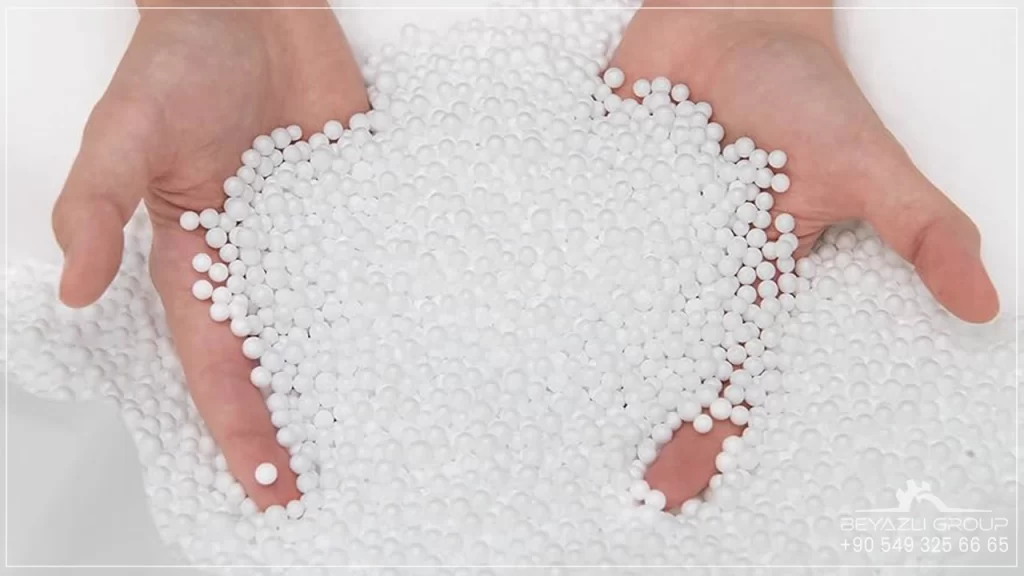
Polystyrene beads (styrofoam):
Styrofoam is a lightweight foam-like particle that is sometimes added to the mortar to produce lightweight and insulating hollow blocks. The important thing about polystyrene is that it is not fireproof so buildings that are made of this type of hollow block may require additional fireproofing measures.
The aggregate, water, and cement are added to the mixer with the right proportions to prepare the mortar needed for producing hollow blocks. the recipe is very important because it affects the final quality of the blocks.
The mixer size depends on the size of the hollow block machine. For bigger hollow block machines a bigger mixer should be provided. We test the raw materials when we are installing the hollow block machines for our customers and provide them with the best recipe.
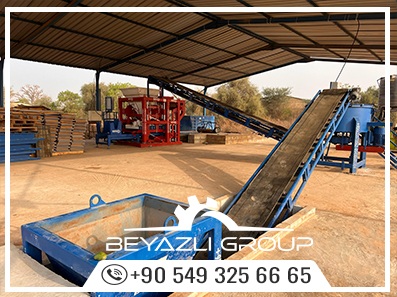
After the mortar is ready it is delivered to the machine with a conveyor belt to start the molding process. The mortar is first poured in the mold and then pressure and vibration is applied to the mortar to get the desired shape and strength.
After the mortar is shaped the molds are removed by the machine and the hollow block is shaped on top of the pallet.
The pallets with the freshly de-molded blocks are delivered to the curing area where they are kept moist. The hollow blocks are cured for 24 hours. If the blocks are under direct sunshine, you need to splash water on them every 4 hours for the first 12 hours. This is very important because the concrete needs moisture for curing. If the concrete doesn’t get enough moisture it won’t cure completely and won’t have the expected strength.
Hollow Block Production Recipe
There is many standard recipes that you can use to produce hollow block. this is directly related to your raw material type and quality, water quality, and cement type.
The standard recipe is also connected with the vibration force and pressing force of the machine. stronger machines require lower amount of cement to get the same results.
below we will answer some of the most frequenty asked questions from us regarding the hollow block production recipe.
How much cement is needed to produce a single hollow block?
To produce a 20x40x20cm hollow block, you will need around 1kg to 1.2kg of cement. The specific amount may vary depending on different factors, but this amount is considered standard.
How many hollow blocks can you make with one 50kg cement bag?
With a 50kg cement bag, you can produce around 40 hollow blocks, each measuring 20x40x20cm. The cement requirement per block ranges from 1kg to 1.2kg, and the actual quantity may vary depending on factors such as raw material quality and block size. for example, using perlite requires a 3 times higher amount of cement compared to sand and gravel.
How many liters of water is needed to produce a hollow block?
To produce one 20x40x20cm hollow block, approximately 0.8 liters (800ml) of water is added to the mixture. This estimate is based on using standard quality raw materials and cement. also, a small amount of water is needed for the curing stage.
How much raw material is needed to produce a hollow block?
This totally depends on the raw material type. the final weight of the block using sand and gravel is around 18kg while using perlite or pumice can reduce it to 10kg. to get the best results
How long does it take for hollow blocks to cure?
The time it takes for concrete blocks to cure varies due to weather conditions and temperature. also a crucial step is splashing water on the blocks every 4 hours to facilitate the curing process. In mild weather conditions, the blocks can be fully cured and ready for collection from the pallets within approximately 24 hours.
what type of machine do I need to produce hollow blocks?
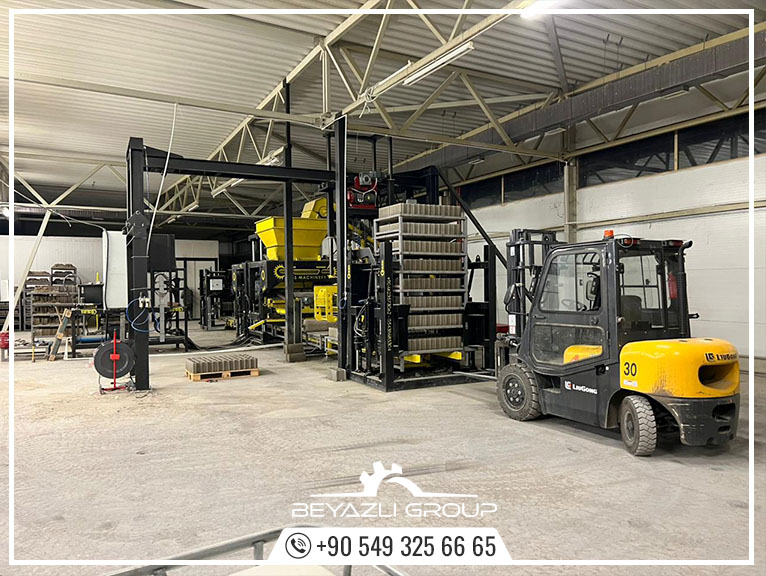
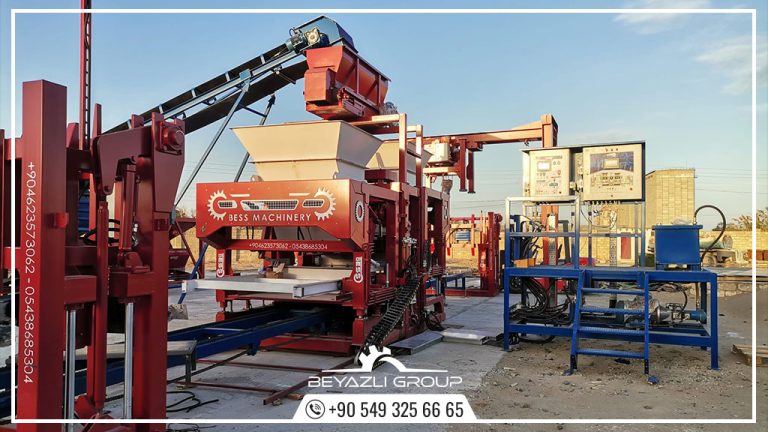
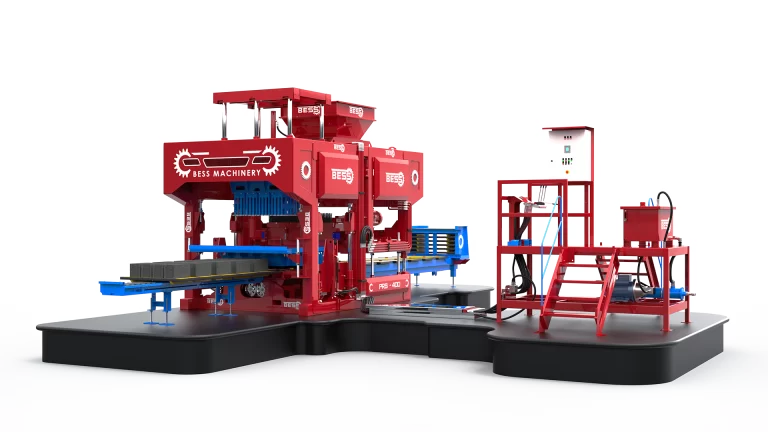
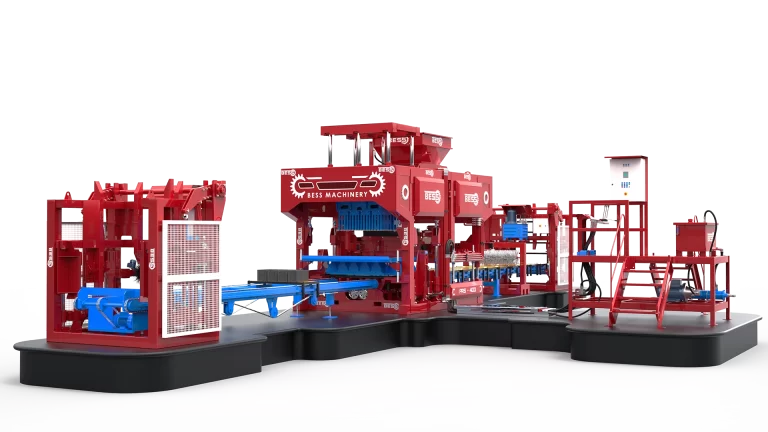
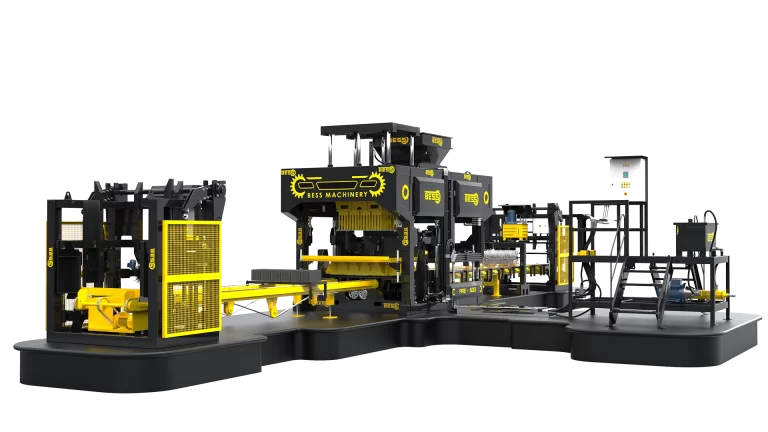
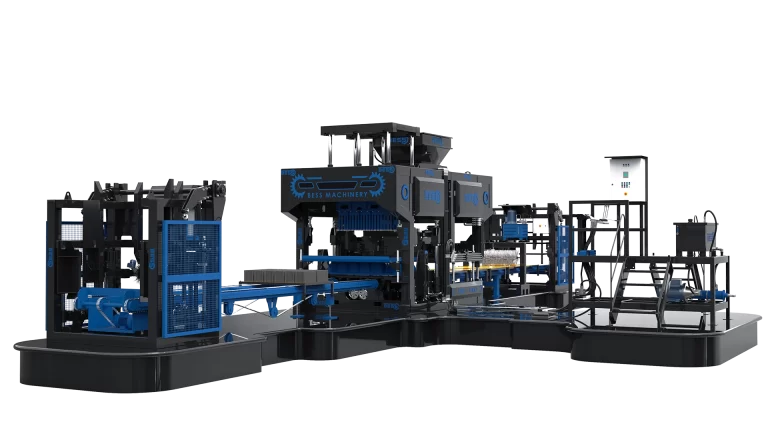
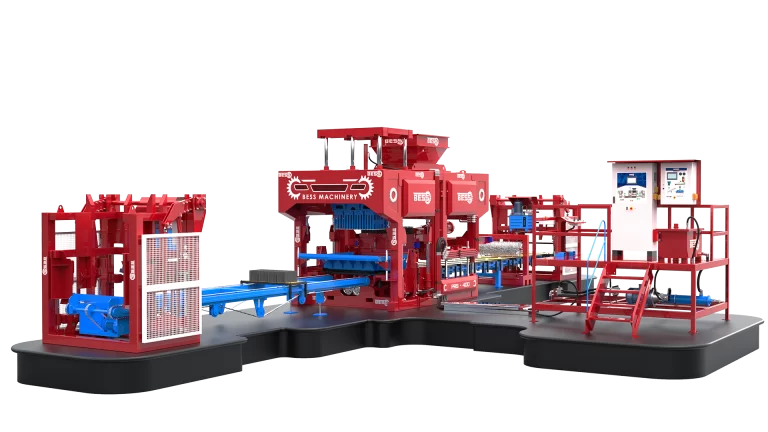
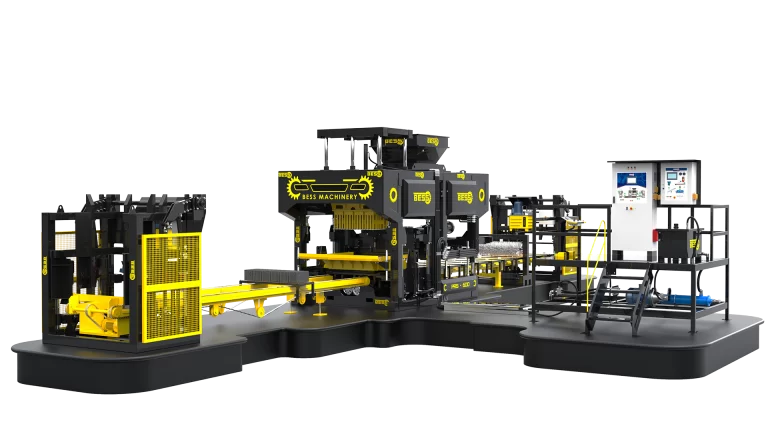
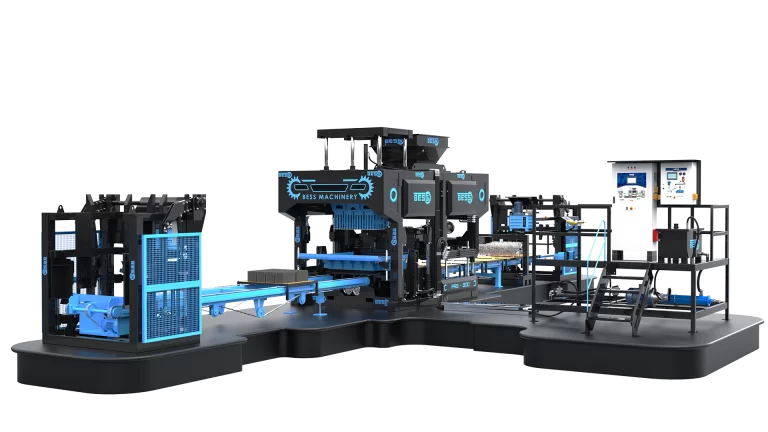
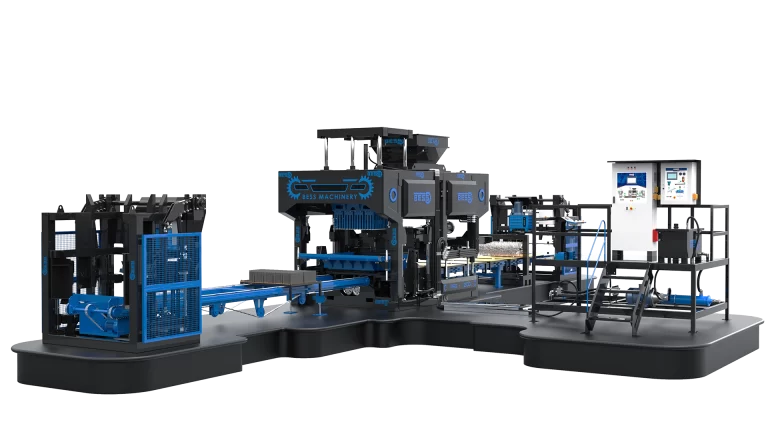
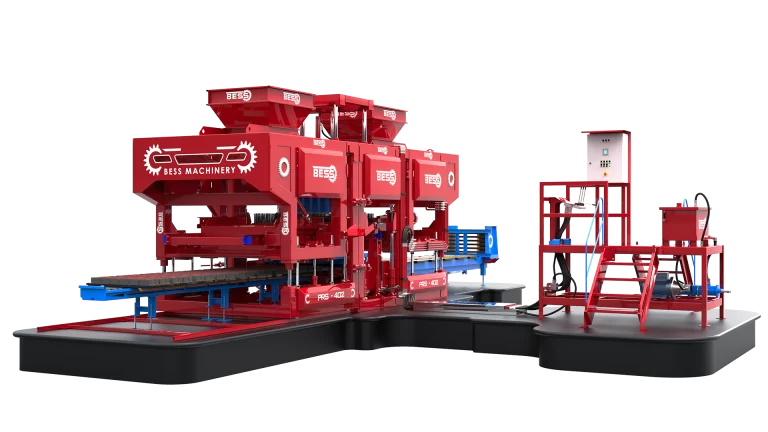
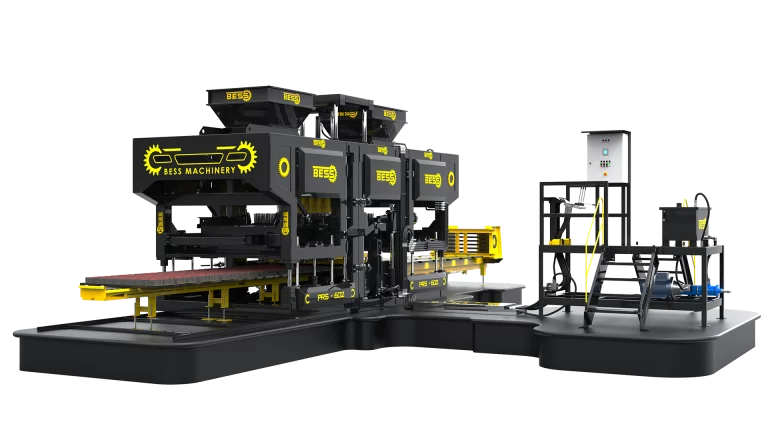
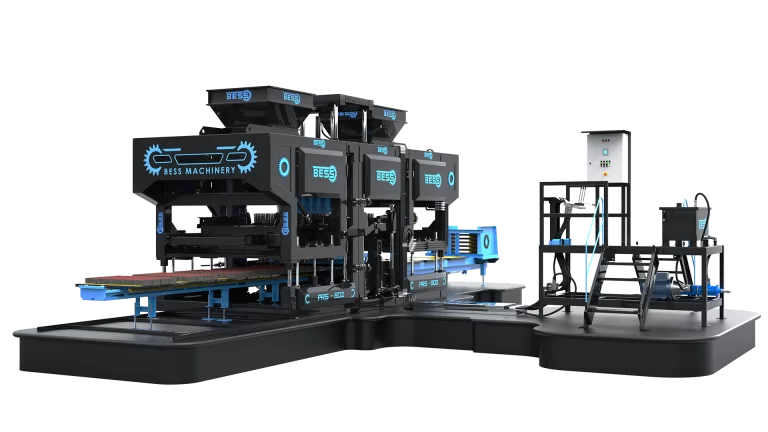
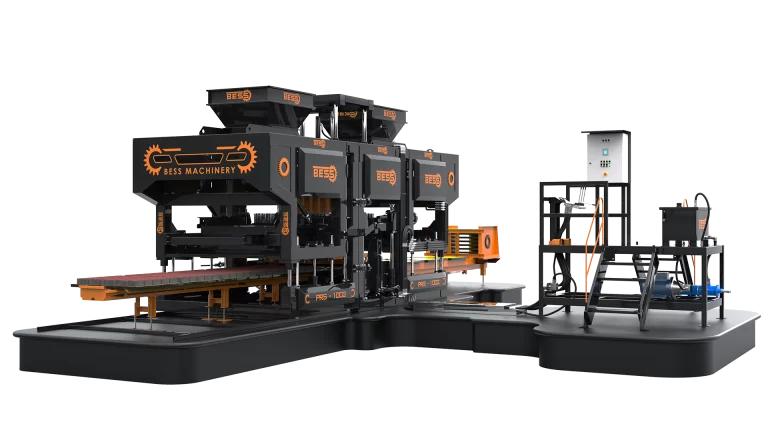
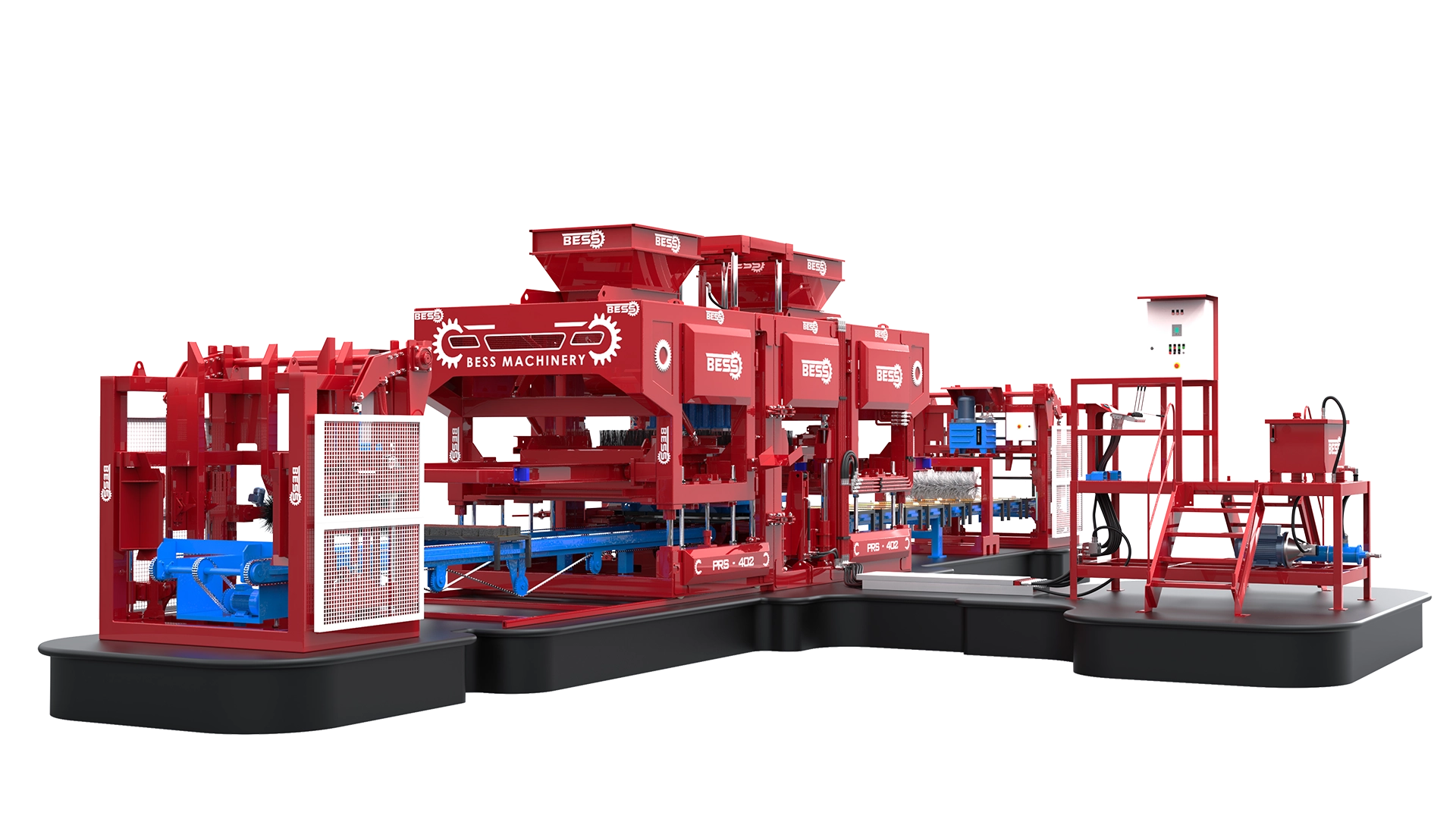
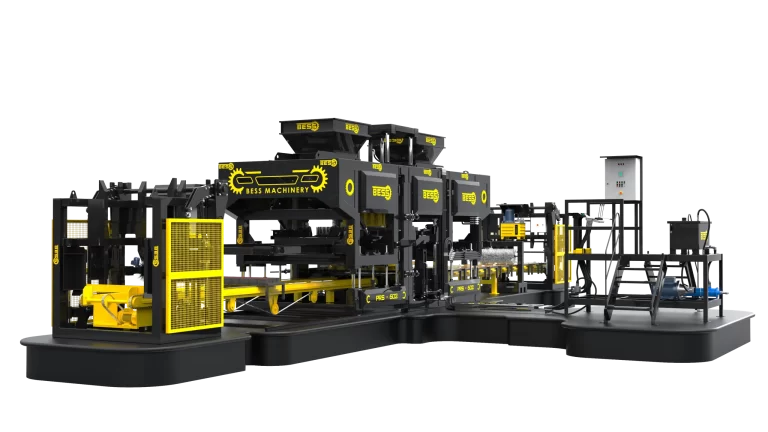
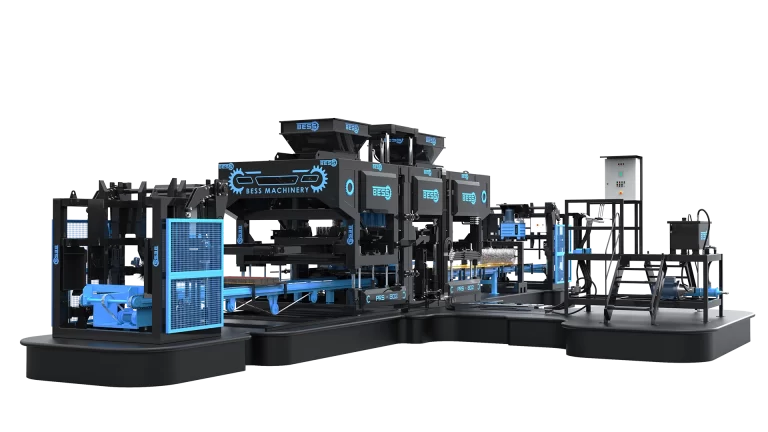
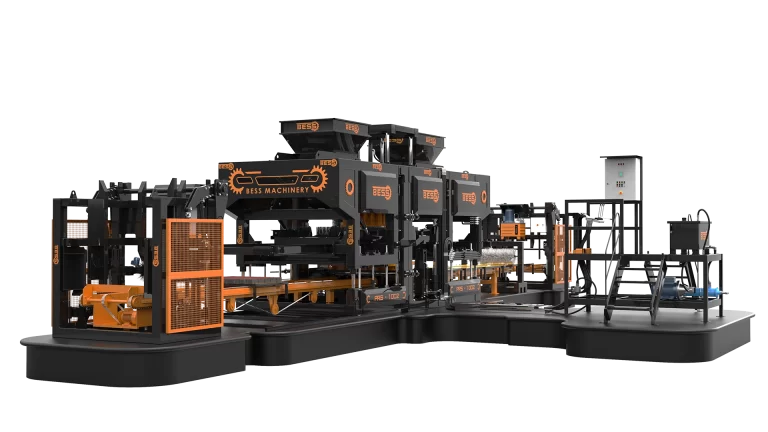
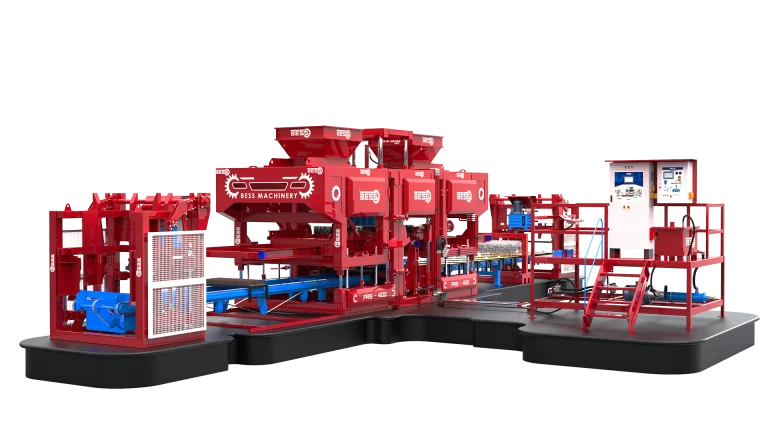
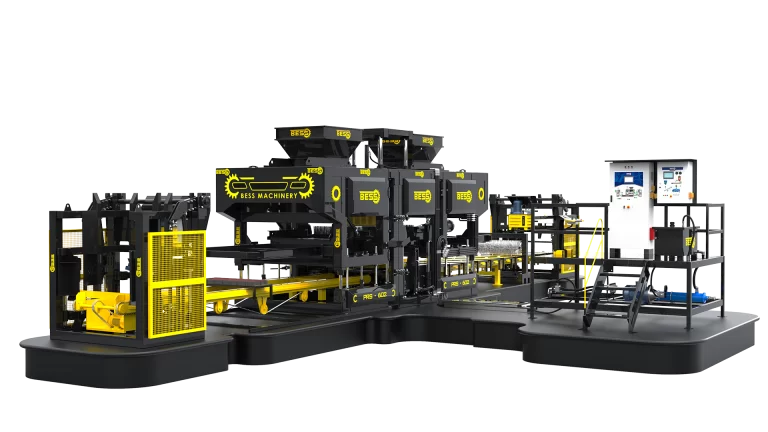
You need a hollow block machine to make quality hollow blocks. the machines use hydraulic pressure and vibration force to produce hollow blocks. there are different types available in the market with different capacities and automation levels.